Residential pressure washing can remove the dirt, grime, stains, mold, and buildup that make a home’s exterior look worn. But using strong water pressure on every surface isn’t the right answer. The surface, its condition, and the type of buildup all affect how the work should be done. Homeowners need clear facts before they schedule service or try to clean an exterior area themselves. This guide explains where pressure washing may help, how it differs from soft washing, and what to expect from a professional cleaning plan.
What Residential Pressure Washing Does
Outdoor surfaces face sun, rain, wind, moisture, and daily use. Dirt may settle across wide areas. Grime can collect in busy spots, while mold and stains may become more visible over time.
Residential pressure washing uses a controlled stream of water to clean suitable exterior surfaces. The goal is not to use the highest pressure possible. Good service starts with an area review. A cleaning professional considers the material, visible buildup, nearby features, and surface condition before choosing a method. Pressure washing can improve approved outdoor areas and save homeowners the effort of handling a large cleaning project alone.
Areas That May Need Exterior Cleaning
Every property is different. Some owners have one problem area, while others see buildup across several connected sections. Common areas homeowners may ask a professional to review include:
- Driveways and walkways
- Patios and other paved spaces
- Exterior walls and siding
- Entry areas and outdoor steps
- Fences and other exterior features
- Areas with visible dirt, grime, mold, or stains
The same method is not safe for every material. A professional can explain which areas suit pressure cleaning and which may need a gentler approach.
Pressure Washing and Soft Washing Are Different
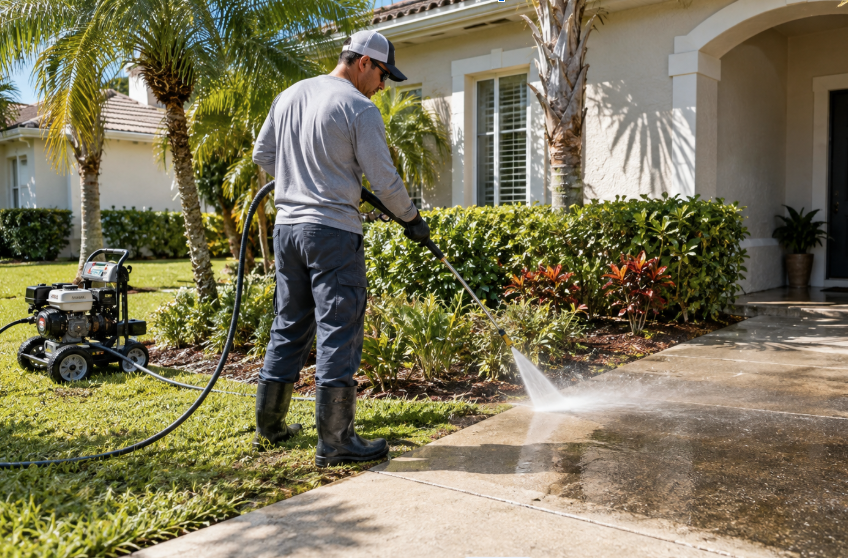
Homeowners often hear the terms pressure washing and soft washing used together. Both can support exterior cleaning, but they use different approaches. Pressure cleaning uses controlled water pressure to loosen and remove buildup from suitable outdoor surfaces. Soft washing uses a gentler method for areas that call for more careful treatment. The right choice depends on the material, its condition, and the problem being addressed.
Using one method across the whole property can lead to poor results. Too much force may affect a delicate or worn area. A professional should explain why each method belongs in the plan.
Why Technique Matters During Residential Pressure Washing
Pressure washing equipment may look simple, but safe and even cleaning takes judgment. Water force, distance, angle, movement, and time spent on one spot can all affect the result. Holding the spray too close may leave uneven marks or affect the surface.
Staying too far away may fail to remove the buildup. Spraying toward doors, windows, vents, or other openings can also send water where it does not belong. A trained cleaner adjusts the approach as needed. A property review connects the method to the surface instead of treating the home like a one-setting project.
What a Professional Cleaning Plan Should Include
A clear plan helps homeowners know what they are approving. Before work starts, the provider should listen to your concerns and identify the areas included in the service. The plan should make several points clear:
- Which exterior areas will be cleaned
- What type of buildup is present
- Which cleaning method fits each approved area
- Where the work begins and ends
- Which nearby features need added care
- What the homeowner should do before the visit
Clear boundaries prevent confusion. Exterior house cleaning may cover several connected areas, while a smaller request may focus on one walkway or wall.
How to Prepare Your Home for Service
A little preparation can make the cleaning visit easier. Your provider may give directions based on the home and the selected work areas. Follow those instructions, since every project has different needs. Homeowners can often prepare by taking these steps:
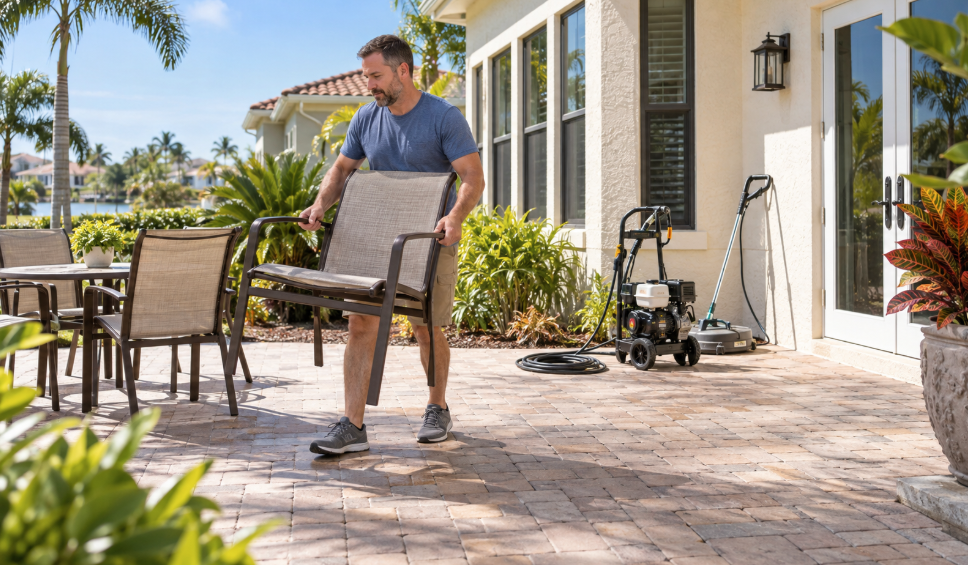
- Move small outdoor items away from the work area.
- Close nearby windows and doors.
- Point out loose, damaged, or sensitive exterior features.
- Keep children and pets away from the active work zone.
- Make sure the crew can reach the approved areas.
- Discuss any access concerns before the appointment.
Do not move heavy items unless it is safe to do so. It’s best to tell the cleaner in advance about anything that must remain in place.
How Often Should a Home Be Pressure Washed?
No single schedule fits every home. Timing depends on local conditions, exterior surfaces, and how quickly buildup returns. Shade and moisture may cause some areas to show buildup sooner. Busy walkways and entry areas may also need attention before quieter sections.
Weather, nearby trees, and the home’s exterior materials can also affect timing. Instead of following a fixed date, look for visible dirt, mold, grime, dark patches, or stains. A professional can review those areas and help define the next cleaning scope.
Choosing a Residential Pressure Washing Company
The right company should do more than offer a quick price. Look for a provider that listens to your concerns and explains the proposed scope. Ask how the team chooses between pressure cleaning and soft washing. Confirm the included areas, needed preparation, and how the crew will work around exterior features. Be careful with promises that ignore the material or condition of your property. A dependable provider will set realistic expectations and follow the agreed scope.
Surface Soldiers Exterior Cleaning provides residential pressure washing for homeowners in Hollywood, FL, and nearby communities. We build the cleaning plan around the home’s condition, the visible buildup, and the areas you want addressed. Homeowners can also ask about our separate window and solar panel cleaning service when those features need focused care. For more practical exterior care guidance, dive into our blog. You can also view our services to learn how we help with different cleaning and property care needs.
Frequently Asked Questions (FAQs)
Is pressure washing safe for every exterior surface?
No. Different materials and surface conditions call for different methods. Some areas may suit pressure cleaning, while others may need soft washing or another careful approach. A review helps determine the right option.
Can residential pressure washing remove mold and stains?
It can remove many forms of visible dirt, grime, mold, stains, and buildup from suitable areas. Results depend on the surface, its condition, and the type of buildup. A professional should review the concern before promising an outcome.
Do I need to be home during the service?
Ask the company before the appointment. Access, approval, pets, gates, and other property details may affect the answer. Make sure the provider has clear instructions and a reliable way to reach you.
Is exterior window cleaning included?
Not always. Pressure washing and window cleaning serve different needs. Confirm the exact scope before work starts. Our team also offers window and solar panel cleaning as a separate service.
Give Your Home’s Exterior the Right Care
Residential pressure washing works best when the method, surface, and scope fit together. First, identify the buildup and the areas that are of concern. Then, Surface Soldiers Exterior Cleaning will review your property, explain the available options, and follow an approved plan based on your needs.
Ready to refresh your home’s exterior? Contact us to request an estimate and tell us which areas need attention. We will review your concerns and help you plan the next step.